

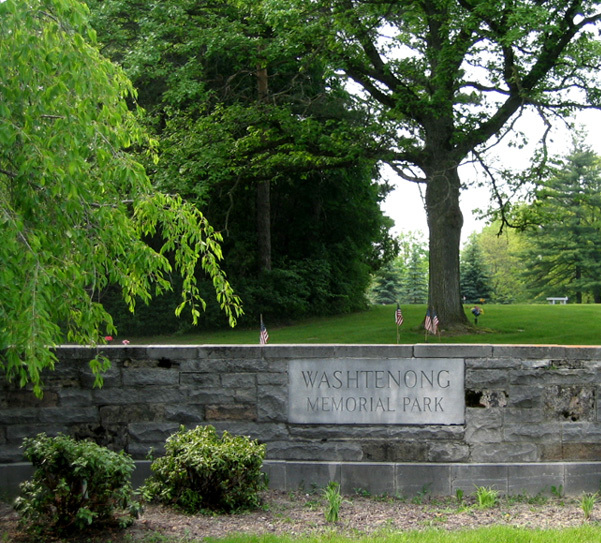
Washtenong Memorial Park and Mausoleum
Ann Arbor, Washtenaw County, Michigan, USA
About
-
Get directions 3771 Whitmore Lake Rd
Ann Arbor, Michigan 48105 United StatesCoordinates: 42.32420, -83.75190 - [email protected]
- (734)665-6187
- Cemetery ID:
Members have Contributed
Photos


Washtenong Memorial Park represents a major shift in how Americans approached death and remembrance in the 20th century. Established in 1929, Washtenong is a "Memorial Park" rather than a traditional cemetery. This distinction is key to its description and layout. Unlike the older cemeteries with upright granite headstones and elaborate Victorian obelisks, Washtenong was designed under the "Lawn Plan" philosophy. Flush-to-the-Ground Markers: Most of the cemetery consists of flat bronze or stone markers level with the grass. This was intended to create a seamless, park-like vista that looks more like a grand estate or a garden than a graveyard. The founders of Washtenong wanted to move away from the "spooky" or "heavy" aesthetic of 19th-century graveyards, opting instead for sweeping lawns, manicured shrubbery, and open sky.
The Mausoleum is the center of the park which features a significant community mausoleum. This was a popular 20th-century alternative to ground burial, offering indoor crypts and niches for cremated remains. The Garden Sections of the cemetery are divided into themed "gardens" (such as the Garden of the Prophets or the Garden of Meditation). Each section often features a central piece of religious or symbolic statuary.
The most influential people resting at Washtenong:
William D. Revelli was the legendary Director of Bands at the University of Michigan for 36 years. He transformed the U-M band into a world-class ensemble and is considered one of the most influential figures in the history of American bands. When Revelli arrived at U-M in 1935, the band was a small, student-run group. By the time he retired in 1971, he had turned it into a world-renowned symphonic and marching powerhouse. Under Revelli's baton, the University of Michigan Symphony Band became the first American band to tour the Soviet Union during the Cold War (1961). Revelli was famous, and sometimes feared, for his absolute demand for perfection. He famously said, "If you're on time, you're late." He treated the band like a professional orchestra, focusing on "intonation" and "tonal color" in a way no one had before.
The Terhune Pioneer Memorial (The Revolutionary War Connection). This is one of the most unique features of Washtenong. While the cemetery was built in 1929, it contains the remains of people from the 1700s. John Terhune was an Ensign in the Continental Army and served under George Washington. He is the only person buried in Ann Arbor who is documented to have served directly under George Washington during the Revolutionary War. John Terhune and his wife Sarah Vreeland Terhune were originally buried in a small pioneer cemetery on Packard Road. When that land was developed in the 1920s, the Daughters of the American Revolution moved their remains and original headstones to Washtenong.
Max Karl Aupperle represents the quintessential 20th-century immigrant success story of Ann Arbor. He was a master tailor who immigrated from Germany and ran the tailoring department at Wild's Men's Shop on State Street—a staple of Ann Arbor fashion for nearly a century. His life story is a perfect example of the German-American community that built the commercial backbone of Ann Arbor and Lower Town. If you were a professor, a university president, or a wealthy businessman in Ann Arbor between 1930 and 1980, you likely wore a suit handled by Karl Aupperle.
Jane Scott is often overshadowed by the larger-than-life "Founders." Scott was a key figure in the preservation of Ann Arbor's local history. Her burial here reinforces Washtenong's role as the cemetery for those who cared about the city's 20th-century growth and civic identity. Jane Scott's influence was felt most strongly through her work with the Genealogical Society of Washtenaw County (GSWC) and the Washtenaw County Historical Society. Like many at "Find A Grave," but before the digital age, Jane Scott spent years physically walking through cemeteries like Fairview and Forest Hill. She meticulously recorded the data from weathered, unreadable headstones, ensuring that the names of early pioneers were preserved in the city's archives. She was known as the person other researchers went to when they hit a "brick wall." Her knowledge of the 19th-century families of Lower Town and the Old West Side was encyclopedic.
In 1932, the cemetery installed a massive piece of glacial limestone (a "pudding stone") to honor the 200th anniversary of George Washington's birth. The George Washington Memorial serves as a central landmark in the park and reflects the patriotic fervor of the era when Washtenong was established. The pudding stone (Jasper Conglomerate) is unique to the Great Lakes region, brought down from Canada by glaciers. Choosing this stone was a deliberate choice to use "Michigan's own" natural history to honor the nation's founder—a perfect blend of local geology and national pride.
Washtenong is particularly well-known for its large Veterans Section. It serves as a major focal point for Memorial Day ceremonies in Washtenaw County. The flat markers allow for a very orderly, military-style precision in the layout, often marked by a large American flag and dedicated monuments to different branches of the service. Between the George Washington Memorial (pudding stone), the Terhune Pioneer Memorial, and the large Veterans Section, Washtenong is the city's primary site for honoring American military and civic history.
Washtenong Memorial Park represents a major shift in how Americans approached death and remembrance in the 20th century. Established in 1929, Washtenong is a "Memorial Park" rather than a traditional cemetery. This distinction is key to its description and layout. Unlike the older cemeteries with upright granite headstones and elaborate Victorian obelisks, Washtenong was designed under the "Lawn Plan" philosophy. Flush-to-the-Ground Markers: Most of the cemetery consists of flat bronze or stone markers level with the grass. This was intended to create a seamless, park-like vista that looks more like a grand estate or a garden than a graveyard. The founders of Washtenong wanted to move away from the "spooky" or "heavy" aesthetic of 19th-century graveyards, opting instead for sweeping lawns, manicured shrubbery, and open sky.
The Mausoleum is the center of the park which features a significant community mausoleum. This was a popular 20th-century alternative to ground burial, offering indoor crypts and niches for cremated remains. The Garden Sections of the cemetery are divided into themed "gardens" (such as the Garden of the Prophets or the Garden of Meditation). Each section often features a central piece of religious or symbolic statuary.
The most influential people resting at Washtenong:
William D. Revelli was the legendary Director of Bands at the University of Michigan for 36 years. He transformed the U-M band into a world-class ensemble and is considered one of the most influential figures in the history of American bands. When Revelli arrived at U-M in 1935, the band was a small, student-run group. By the time he retired in 1971, he had turned it into a world-renowned symphonic and marching powerhouse. Under Revelli's baton, the University of Michigan Symphony Band became the first American band to tour the Soviet Union during the Cold War (1961). Revelli was famous, and sometimes feared, for his absolute demand for perfection. He famously said, "If you're on time, you're late." He treated the band like a professional orchestra, focusing on "intonation" and "tonal color" in a way no one had before.
The Terhune Pioneer Memorial (The Revolutionary War Connection). This is one of the most unique features of Washtenong. While the cemetery was built in 1929, it contains the remains of people from the 1700s. John Terhune was an Ensign in the Continental Army and served under George Washington. He is the only person buried in Ann Arbor who is documented to have served directly under George Washington during the Revolutionary War. John Terhune and his wife Sarah Vreeland Terhune were originally buried in a small pioneer cemetery on Packard Road. When that land was developed in the 1920s, the Daughters of the American Revolution moved their remains and original headstones to Washtenong.
Max Karl Aupperle represents the quintessential 20th-century immigrant success story of Ann Arbor. He was a master tailor who immigrated from Germany and ran the tailoring department at Wild's Men's Shop on State Street—a staple of Ann Arbor fashion for nearly a century. His life story is a perfect example of the German-American community that built the commercial backbone of Ann Arbor and Lower Town. If you were a professor, a university president, or a wealthy businessman in Ann Arbor between 1930 and 1980, you likely wore a suit handled by Karl Aupperle.
Jane Scott is often overshadowed by the larger-than-life "Founders." Scott was a key figure in the preservation of Ann Arbor's local history. Her burial here reinforces Washtenong's role as the cemetery for those who cared about the city's 20th-century growth and civic identity. Jane Scott's influence was felt most strongly through her work with the Genealogical Society of Washtenaw County (GSWC) and the Washtenaw County Historical Society. Like many at "Find A Grave," but before the digital age, Jane Scott spent years physically walking through cemeteries like Fairview and Forest Hill. She meticulously recorded the data from weathered, unreadable headstones, ensuring that the names of early pioneers were preserved in the city's archives. She was known as the person other researchers went to when they hit a "brick wall." Her knowledge of the 19th-century families of Lower Town and the Old West Side was encyclopedic.
In 1932, the cemetery installed a massive piece of glacial limestone (a "pudding stone") to honor the 200th anniversary of George Washington's birth. The George Washington Memorial serves as a central landmark in the park and reflects the patriotic fervor of the era when Washtenong was established. The pudding stone (Jasper Conglomerate) is unique to the Great Lakes region, brought down from Canada by glaciers. Choosing this stone was a deliberate choice to use "Michigan's own" natural history to honor the nation's founder—a perfect blend of local geology and national pride.
Washtenong is particularly well-known for its large Veterans Section. It serves as a major focal point for Memorial Day ceremonies in Washtenaw County. The flat markers allow for a very orderly, military-style precision in the layout, often marked by a large American flag and dedicated monuments to different branches of the service. Between the George Washington Memorial (pudding stone), the Terhune Pioneer Memorial, and the large Veterans Section, Washtenong is the city's primary site for honoring American military and civic history.
Nearby cemeteries


- Added: 1 Jan 2000
- Find a Grave Cemetery ID: 1908

Cemetery Photos
This is a carousel with slides. Use Next and Previous buttons to navigate, or jump to a slide with the slide dots. Use Escape keyboard button or the Close button to close the carousel.


Success
Uploading...
Waiting...
Failed
This photo was not uploaded because this cemetery already has 20 photos
This photo was not uploaded because you have already uploaded 5 photos to this cemetery
This photo was not uploaded because you have already uploaded 5 photos to this cemetery
Invalid File Type
Birth and death years unknown.
1 photo picked...
2 photos picked...
Uploading 1 Photo
Uploading 2 Photos
1 Photo Uploaded
2 Photos Uploaded
This photo is larger than 20 MB. Please resize to less than 20 MB and try again.
Too many photos have been uploaded
"Unsupported file type"
• ##count## of 0 memorials with GPS displayed. Double click on map to view more.No cemeteries found