

Fairview Cemetery
Ann Arbor, Washtenaw County, Michigan, USA
About
-
Get directions 1401 Wright Street
Ann Arbor, Michigan 48105 United StatesCoordinates: 42.29420, -83.74110 - www2.a2gov.org/GIS/MapAnnArbor/FairviewCemetery/
- Cemetery ID:
Members have Contributed
Photos


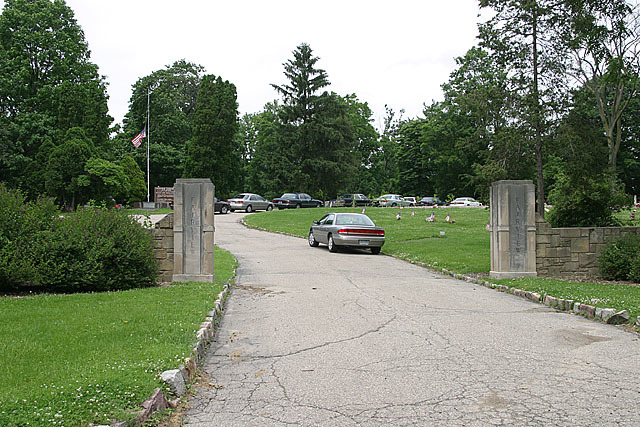
Established in 1831, Fairview Cemetery is actually Ann Arbor's oldest existing burial ground and tells a very vital story of the city's origins. It is located on the north side of the Huron River and serves as the historical heart of what was once known as Lower Town. Its location and origin are tied to the early development of Ann Arbor. In the 1830s, Ann Arbor was split into "Upper Town" (the university area) and "Lower Town" (the riverfront area). Lower Town needed its own local burial ground for its prominent citizens and working-class residents alike.
Here are the most significant figures buried at Fairview:
- Robert Hayden (1913–1980) - Perhaps the most famous resident of Fairview, Hayden was a U-M Professor and the first African American Poet Laureate of the United States. He was known for his absolute command of traditional poetic forms, he wrote iconic poems like "Those Winter Sundays" and "Middle Passage." Hayden famously insisted on being identified as an "American poet" rather than a "Black poet," arguing that literature should be judged by its artistic merit within the total English literary tradition. This was a principled, though sometimes controversial, stance during the 1960s. His marker is a modest, flat marker that reflects his humble but powerful legacy.
- Guy Beckley was a titan of the American abolitionist movement, and his presence in Ann Arbor's Lower Town transformed the city into a crucial hub for the Underground Railroad. He wasn't just a resident; he was a strategist, a publisher, and a man of deep conviction. He turned his home and his pen into weapons against slavery. Born in Vermont in 1803, Beckley moved to Ann Arbor in 1839. He was an ordained Methodist Episcopal minister, but he eventually broke away from the mainstream church because he believed that Christians must completely separate themselves from any organization that supported or tolerated slavery.
- Anson Brown was the ambitious visionary who essentially "invented" Lower Town. In 1824, Anson Brown was the man who tried to move the entire heart of the city across the river. Anson Brown's "Lower Town" was booming and actually rivaled the Upper Town in population and commerce for a short time. However, his grand plan was cut short by a global tragedy, Cholera, which swept through the region in 1834. Anson Brown, at the height of his influence and only 32 years old, contracted the disease and died within hours. Without Brown's leadership and financial backing, Lower Town lost its momentum. When the University of Michigan arrived in 1837 and the Railroad arrived in 1839—both choosing the "Upper Town" side of the river—the dream of Lower Town being the city center effectively died. He named the streets of Lower Town after Manhattan's famous thoroughfares (Broadway, Wall, and Maiden Lane).
- John "Felix" White was born into slavery in Kentucky. In the mid-1840s, he made the perilous decision to escape. He traveled north through Ohio, likely using the network of "stations" provided by abolitionists. He arrived in Ann Arbor around 1846–1847. This was a strategic choice; at the time, Ann Arbor (and specifically Lower Town) was a known haven for self-emancipated people due to the influence of Guy Beckley and the Signal of Liberty. Unlike many who continued on to Canada for total safety, White chose to stay and make a life in Michigan, despite the risks posed by the Fugitive Slave Act of 1850. John Felix White represents the "lived experience" of Lower Town. While the wealthy developers and university presidents are often the focus of history books, White's story reminds us that Ann Arbor was built by people who risked everything just to have the right to work, live, and be buried in peace.
- Absalom Traver was one of the most influential early pioneers of Lower Town. Traver arrived in Ann Arbor in the early 1830s from New York. He wasn't just a farmer; he was an industrialist who understood how to use the land. Absalom Traver was deeply involved in the civic life of the young settlement and he helped plat the streets of Lower Town alongside Anson Brown. His burial in reinforces Fairview's role as the "Archive of Lower Town"—the final resting place for the men and women who built the mills, cleared the forests, and established the roads we still use today. If you live in or travel through the north side of Ann Arbor today, you see his name everywhere—on Traver Road, Traver Creek, and Traver Lakes.
These people are a working ecosystem:
- The Visionaries: Anson Brown and Absalom Traver provided the infrastructure (the streets, the mills, and the bricks).
- The Voices: Guy Beckley provided the moral compass and the media (the newspaper) that made the area a magnet for activists.
- The Community: John Felix White and the Black families of the 5th Ward provided the resilience and labor that made the district thrive.
- The Legacy: Robert Hayden provided the intellectual bridge, connecting the struggles of the 19th century to modern American greatness.
The "Fifth Ward Civil War Monument" stands in Fairview and was paid for by the working-class families of Lower Town to honor their sons. It ties all of this information together: the industrial workers (Traver's mills), the abolitionist spirit (Beckley), and the integrated community (White) all sent their sons to fight for the Union.
Lower Town was known for being a "melting pot." It was the most racially and ethnically diverse part of Ann Arbor in the 1800s. While Brown was the white developer who built the district, the neighborhood he created became a welcoming home for many African American families, self-emancipated people (like John "Felix" White), and German immigrants.
Established in 1831, Fairview Cemetery is actually Ann Arbor's oldest existing burial ground and tells a very vital story of the city's origins. It is located on the north side of the Huron River and serves as the historical heart of what was once known as Lower Town. Its location and origin are tied to the early development of Ann Arbor. In the 1830s, Ann Arbor was split into "Upper Town" (the university area) and "Lower Town" (the riverfront area). Lower Town needed its own local burial ground for its prominent citizens and working-class residents alike.
Here are the most significant figures buried at Fairview:
- Robert Hayden (1913–1980) - Perhaps the most famous resident of Fairview, Hayden was a U-M Professor and the first African American Poet Laureate of the United States. He was known for his absolute command of traditional poetic forms, he wrote iconic poems like "Those Winter Sundays" and "Middle Passage." Hayden famously insisted on being identified as an "American poet" rather than a "Black poet," arguing that literature should be judged by its artistic merit within the total English literary tradition. This was a principled, though sometimes controversial, stance during the 1960s. His marker is a modest, flat marker that reflects his humble but powerful legacy.
- Guy Beckley was a titan of the American abolitionist movement, and his presence in Ann Arbor's Lower Town transformed the city into a crucial hub for the Underground Railroad. He wasn't just a resident; he was a strategist, a publisher, and a man of deep conviction. He turned his home and his pen into weapons against slavery. Born in Vermont in 1803, Beckley moved to Ann Arbor in 1839. He was an ordained Methodist Episcopal minister, but he eventually broke away from the mainstream church because he believed that Christians must completely separate themselves from any organization that supported or tolerated slavery.
- Anson Brown was the ambitious visionary who essentially "invented" Lower Town. In 1824, Anson Brown was the man who tried to move the entire heart of the city across the river. Anson Brown's "Lower Town" was booming and actually rivaled the Upper Town in population and commerce for a short time. However, his grand plan was cut short by a global tragedy, Cholera, which swept through the region in 1834. Anson Brown, at the height of his influence and only 32 years old, contracted the disease and died within hours. Without Brown's leadership and financial backing, Lower Town lost its momentum. When the University of Michigan arrived in 1837 and the Railroad arrived in 1839—both choosing the "Upper Town" side of the river—the dream of Lower Town being the city center effectively died. He named the streets of Lower Town after Manhattan's famous thoroughfares (Broadway, Wall, and Maiden Lane).
- John "Felix" White was born into slavery in Kentucky. In the mid-1840s, he made the perilous decision to escape. He traveled north through Ohio, likely using the network of "stations" provided by abolitionists. He arrived in Ann Arbor around 1846–1847. This was a strategic choice; at the time, Ann Arbor (and specifically Lower Town) was a known haven for self-emancipated people due to the influence of Guy Beckley and the Signal of Liberty. Unlike many who continued on to Canada for total safety, White chose to stay and make a life in Michigan, despite the risks posed by the Fugitive Slave Act of 1850. John Felix White represents the "lived experience" of Lower Town. While the wealthy developers and university presidents are often the focus of history books, White's story reminds us that Ann Arbor was built by people who risked everything just to have the right to work, live, and be buried in peace.
- Absalom Traver was one of the most influential early pioneers of Lower Town. Traver arrived in Ann Arbor in the early 1830s from New York. He wasn't just a farmer; he was an industrialist who understood how to use the land. Absalom Traver was deeply involved in the civic life of the young settlement and he helped plat the streets of Lower Town alongside Anson Brown. His burial in reinforces Fairview's role as the "Archive of Lower Town"—the final resting place for the men and women who built the mills, cleared the forests, and established the roads we still use today. If you live in or travel through the north side of Ann Arbor today, you see his name everywhere—on Traver Road, Traver Creek, and Traver Lakes.
These people are a working ecosystem:
- The Visionaries: Anson Brown and Absalom Traver provided the infrastructure (the streets, the mills, and the bricks).
- The Voices: Guy Beckley provided the moral compass and the media (the newspaper) that made the area a magnet for activists.
- The Community: John Felix White and the Black families of the 5th Ward provided the resilience and labor that made the district thrive.
- The Legacy: Robert Hayden provided the intellectual bridge, connecting the struggles of the 19th century to modern American greatness.
The "Fifth Ward Civil War Monument" stands in Fairview and was paid for by the working-class families of Lower Town to honor their sons. It ties all of this information together: the industrial workers (Traver's mills), the abolitionist spirit (Beckley), and the integrated community (White) all sent their sons to fight for the Union.
Lower Town was known for being a "melting pot." It was the most racially and ethnically diverse part of Ann Arbor in the 1800s. While Brown was the white developer who built the district, the neighborhood he created became a welcoming home for many African American families, self-emancipated people (like John "Felix" White), and German immigrants.
Nearby cemeteries


- Added: 1 Jan 2000
- Find a Grave Cemetery ID: 488

Cemetery Photos
This is a carousel with slides. Use Next and Previous buttons to navigate, or jump to a slide with the slide dots. Use Escape keyboard button or the Close button to close the carousel.


Success
Uploading...
Waiting...
Failed
This photo was not uploaded because this cemetery already has 20 photos
This photo was not uploaded because you have already uploaded 5 photos to this cemetery
This photo was not uploaded because you have already uploaded 5 photos to this cemetery
Invalid File Type
Birth and death years unknown.
1 photo picked...
2 photos picked...
Uploading 1 Photo
Uploading 2 Photos
1 Photo Uploaded
2 Photos Uploaded
This photo is larger than 20 MB. Please resize to less than 20 MB and try again.
Too many photos have been uploaded
"Unsupported file type"
• ##count## of 0 memorials with GPS displayed. Double click on map to view more.No cemeteries found