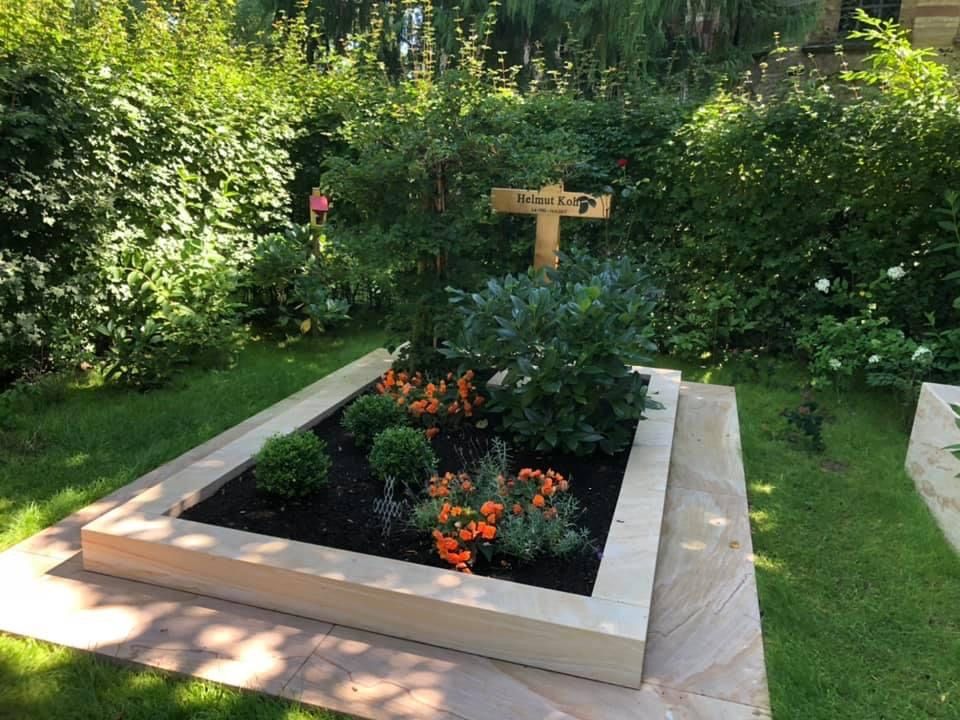
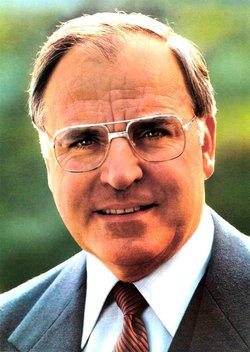
Chancellor of West Germany. He served as Chancellor of West Germany from 1982 until 1998 (Germany from 1990 until 1998). He held the distinction of being the first and longest serving Chancellor of postwar unified Germany. During his tenure, he saw the conclusion of the "Cold War" and the removal of the Berlin Wall. Kohl was regarded by many as being a significant architect of the reunification of Germany. Born into a devout Roman Catholic family, he was preparing to serve with the German military when World War II ended. After becoming involved with the Christian Democratic Union, his interest in the political arena was sparked and while attending the University of Heidelberg, he received his degree in Political Science, prior to his entering the chemical field. Not long after graduation, he initiated his political career when he was elected to the Rhineland-Palatinate State Legislature and in 1969, he was elected premier (Prime Minister). In 1973, he rose to Chairman of the party. In 1976, Kohl was unsuccessful in an attempt to become Germany's chancellor when he was defeated by Helmut Schmidt. However, Schmidt's supporters began to desert him and join forces with Kohl, which resulted in Kohl's securing the chancellorship in 1982. In 1989, after the Soviet Union relinquished its control of East Germany, Kohl worked rapidly to ensure the unification of the countries in which resulted in the merger of their economic and welfare systems. However, the cost of the reunification proved great and a tax increase was implemented which weakened Kohl's popularity and eventual loss of power. After leaving office, his legacy was effected from his involvement in a donation scandal within the Christian Democratic Party. In later years, he suffered from declining health of which included heart and gallbladder issues.
Chancellor of West Germany. He served as Chancellor of West Germany from 1982 until 1998 (Germany from 1990 until 1998). He held the distinction of being the first and longest serving Chancellor of postwar unified Germany. During his tenure, he saw the conclusion of the "Cold War" and the removal of the Berlin Wall. Kohl was regarded by many as being a significant architect of the reunification of Germany. Born into a devout Roman Catholic family, he was preparing to serve with the German military when World War II ended. After becoming involved with the Christian Democratic Union, his interest in the political arena was sparked and while attending the University of Heidelberg, he received his degree in Political Science, prior to his entering the chemical field. Not long after graduation, he initiated his political career when he was elected to the Rhineland-Palatinate State Legislature and in 1969, he was elected premier (Prime Minister). In 1973, he rose to Chairman of the party. In 1976, Kohl was unsuccessful in an attempt to become Germany's chancellor when he was defeated by Helmut Schmidt. However, Schmidt's supporters began to desert him and join forces with Kohl, which resulted in Kohl's securing the chancellorship in 1982. In 1989, after the Soviet Union relinquished its control of East Germany, Kohl worked rapidly to ensure the unification of the countries in which resulted in the merger of their economic and welfare systems. However, the cost of the reunification proved great and a tax increase was implemented which weakened Kohl's popularity and eventual loss of power. After leaving office, his legacy was effected from his involvement in a donation scandal within the Christian Democratic Party. In later years, he suffered from declining health of which included heart and gallbladder issues.
Bio by: C.S.