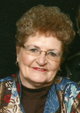
Donna Campbell Goodwin
- Member for
- 14 years 4 months 22 days
- Find a Grave ID
Bio
Researching Maine,(New England) New Jersey and TN/ARK/MO. Family names: Willey, Dore/Dorr, Huff, Wallace, Pereau, Libby and Goodwin(YDNA tested) (Maine): Borden, White, Patterson, Lane and Smith (NJ) Campbell's (YDNA tested TN to MO).
What is Reliable and What is Not?
Genealogy seems simple enough. Anyone who types an ancestor's name into an Internet browser or a genealogy website can easily find lots of information. The Internet is full of ideas, facts, contradictions, and outright misinformation. To give us a basis for determining reliability, genealogists apply common standards.
Historical research of any type is a complex pursuit. We need to know all reasonable sources that exist for the time and place—and we must use them all if our conclusions are to be reliable. We need to know the handwriting of past eras and how to interpret words that meant something different then, from what they mean today. We need to know the laws that governed each time and place, or we will misinterpret the legal documents we find and reach erroneous conclusions about identity, parentage and other matters. We need to know when DNA evidence is needed, and which test is appropriate, and how to interpret the results. We need to know how to evaluate the evidence—how to identify reliable sources and information. For genealogical research, we also need to know how to assemble lives correctly and separate the identities of all those same-name people who lived in the same place and time.
ANYONE WHO WOULD LIKE A TRANSFER OF ANY OF MY MEMORIALS, PLEASE MESSAGE ME.
Researching Maine,(New England) New Jersey and TN/ARK/MO. Family names: Willey, Dore/Dorr, Huff, Wallace, Pereau, Libby and Goodwin(YDNA tested) (Maine): Borden, White, Patterson, Lane and Smith (NJ) Campbell's (YDNA tested TN to MO).
What is Reliable and What is Not?
Genealogy seems simple enough. Anyone who types an ancestor's name into an Internet browser or a genealogy website can easily find lots of information. The Internet is full of ideas, facts, contradictions, and outright misinformation. To give us a basis for determining reliability, genealogists apply common standards.
Historical research of any type is a complex pursuit. We need to know all reasonable sources that exist for the time and place—and we must use them all if our conclusions are to be reliable. We need to know the handwriting of past eras and how to interpret words that meant something different then, from what they mean today. We need to know the laws that governed each time and place, or we will misinterpret the legal documents we find and reach erroneous conclusions about identity, parentage and other matters. We need to know when DNA evidence is needed, and which test is appropriate, and how to interpret the results. We need to know how to evaluate the evidence—how to identify reliable sources and information. For genealogical research, we also need to know how to assemble lives correctly and separate the identities of all those same-name people who lived in the same place and time.
ANYONE WHO WOULD LIKE A TRANSFER OF ANY OF MY MEMORIALS, PLEASE MESSAGE ME.